Robot-Building Franchise Offers Hands-On Learning and Fun

When Jenny Young (above) started Brooklyn Robot Foundry, which specializes in robot-building programs for children, she drew from a career in mechanical engineering, experience with an educational technology company and fond memories of tinkering in the garage with her father.
She recognized a need for hands-on, immersive learning for elementary students, especially learning related to science and engineering. So, in 2011 Young launched Brooklyn Robot Foundry, where children can use their hands and imagination to build robots.
The company’s approach to instruction follows the STEAM model for learning, which integrates arts (the “A”) into the traditional STEM model focusing on science, technology, engineering and math to encourage creativity, innovation and independent thinking.
Although the STEAM concept is relatively new, it is gaining support from educators and is on track for growth. The STEAM education market size was valued at $200 billion in 2023 and is expected to reach $389.74 billion at a compound annual growth rate of 10% through 2030, according to Verified Market Reports.
Building Robots and Self-Confidence
Brooklyn Robot Foundry began franchising in 2022 and has one corporate location in Brooklyn, N.Y., and franchises in Connecticut, Pennsylvania and other parts of New York state. Three new franchises are opening in the New York City area, all owned by women.
“Not only is there a huge need for access to this kind of education and tech on a community-wide level, but there is a huge need for intersectionality in these spaces as it relates to women and minority-owned businesses in robotics and engineering in general,” Young says. The three women franchisees, who draw from different career and life experiences, “will serve as examples to the students and show them that they can accomplish and be anything they want to be.”
Caroline Crilly, who is opening a franchise that will serve Brooklyn neighborhoods including Williamsburg, Bushwick and Greenpoint, says she wasn’t encouraged to pursue science and engineering when she was a girl. “I hope to provide the space for little girls to explore STEAM in a way that I didn’t,” she says.

“It’s important that students have access to programs like Brooklyn Robot Foundry so that they get exposed to STEAM concepts through joyful play experiences. I’m excited to make these available in neighborhoods where schools might that not have anything like this,” Crilly says.
Making a Difference in the Community
A second franchise will serve the areas of Brownstone Brooklyn, including Park Slope, Prospect Heights and Brooklyn Heights, and is owned by Alison Khalaf. She previously managed an early childhood center, which she considers good preparation for running the franchise.
“Robots and AI are here to stay, so kids might as well get comfortable with them and learn how they work from an early age. I have seen an increasing number of robotics labs in high schools, and parents seem interested,” Khalaf says.
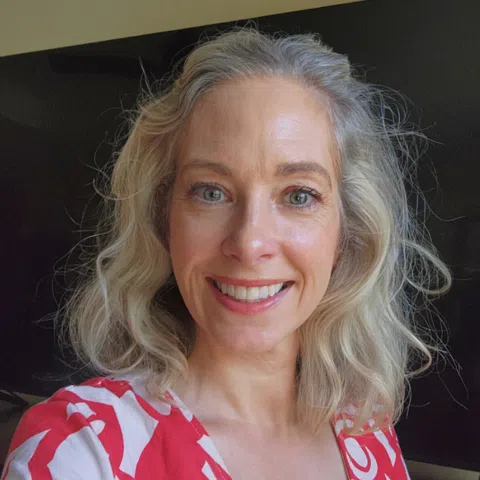
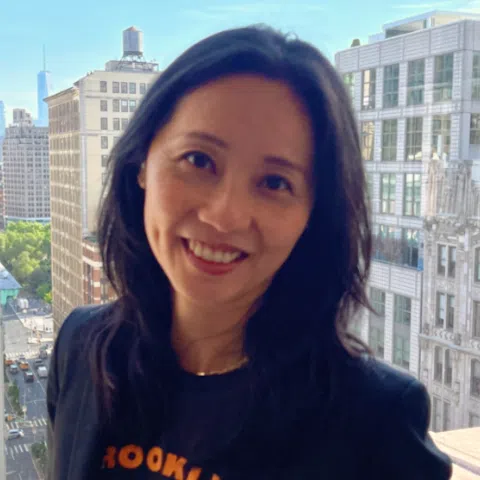
The third new franchise will open in downtown Manhattan this fall, owned by Carmen Tsang, who has a background in corporate business.
“I hope to bring my community jobs, a sense of purpose and, most importantly, something for the kids to learn and have fun with,” Tsang says. “Downtown Manhattan is a great market with high-value audiences fitting for an educational program like Brooklyn Robot Foundry. One day, I hope to bring the Foundry international, but for now, I am happy to be making a difference in the community I’ve known and loved for 15 years.”
A Low-Cost Mobile Franchise
For franchisees, one significant advantage of the company’s business model is its mobility. Instructors bring the classes directly to the students, eliminating the need for an expensive storefront classroom. Specially designed carts allow teachers to transport the robot kits and other materials to spaces where children are, whether it’s at schools, community centers, camps or child-care centers.
The company offers a range of programs to help attract customers, from one-time events at assemblies or parties to weeklong or even semester-long classes. Adults can also try their hand at building robots as part of corporate team-building events.
Running a Brooklyn Robot Foundry franchise doesn’t require a background in robotics or a science degree. The company’s production team tests all the projects and assembles the kits before shipping to a franchise, and every project comes with a comprehensive lesson plan for the instructor, simplifying the process of teaching a STEAM lesson.
Brooklyn Robot Foundry’s goals for expansion include an additional 12 franchises operating by the end of the year. As Khalaf says about her franchise and the brand, the goal is to bring more students “the inherent fun of robots combined with inspiring creativity and learning how to build out of everyday objects.”
For more information about Brooklyn Robot Foundry, visit https://brooklynrobotfoundry.com/franchise/.