Jim Waskovich on the Role of Culture in Building Successful Franchise Partnerships
Private equity firms might be known for their numbers-driven approach, but for Jim Waskovich, co-founder and managing partner at Princeton Equity Group (Princeton), it’s about much more than just financial metrics. Waskovich has made impactful investments in more than 30 franchise companies, and in every case, he was impressed by the founders, their teams, and yes, the numbers too.
That was the case when Princeton invested in IFPG in 2022. “IFPG is the only franchise broker organization we considered investing in. We loved the people and culture, and the company\’s commitment to constant improvement aligned with our values,” Waskovich shares.
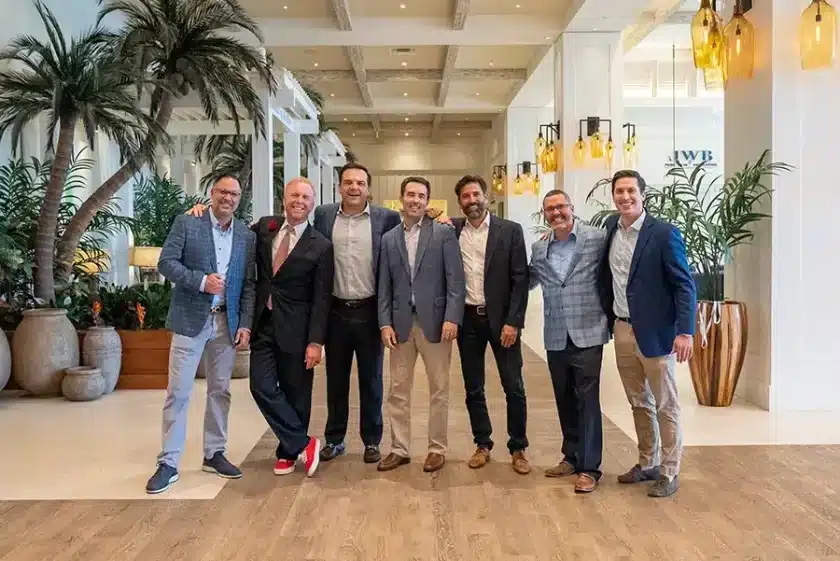
When investing in franchisors, Waskovich is thorough, blending a sharp focus on numbers with a genuine interest in the stories behind the brands. “First and foremost, you have to consider the numbers — a strong Item 19 and few closures are essential,” he says. “But we also look at what is driving those numbers.”
Validation is another important part of the process for Waskovich. His team will speak to
20 to 40 franchisees before investing, asking the same critical questions each time: “How much money do you make? Can we run through the P&L? What do you spend on labor? How is the franchisor? Do they do what they say? How do they help? Would you do it over again?”
Waskovich likens investing in a franchisor to committing to a marriage partner. “You have to genuinely like the people you are partnering with in the beginning when things are good. If you don’t like them then, you are certainly not going to like them if things get tough.”
Success Stories and Investment Philosophy
One of Waskovich’s favorite success stories is Stretch Zone. When Princeton invested in the fitness concept, the brand had 250 locations and zero closures — a rare achievement in franchising. The impressive numbers caught Waskovich’s eye, but it was founder Jorden Gold’s passion that truly stood out. “He dedicated his life to stretch therapy, pioneering an entire industry,” Waskovich says. Gold reinvested every dollar into the business, living modestly to ensure its success. “That’s the level of commitment we love to see,” Waskovich adds.
Waskovich’s investment philosophy reflects this same level of commitment. He believes in going all in on every investment, adopting a
no-concept-left-behind mentality. “I’ve observed that when things aren’t going well in business, there is no off ramp. No one else will bail you out of your mess. All you have is the person staring back in the mirror,” he says. “This reality means that we only invest in the small number of brands we are deeply passionate about, so we can provide full support even if things get rough and there is no one else there to help.”
Waskovich fosters an ownership mentality within his team at Princeton. He hires people who have owned businesses and demonstrated leadership from an early age. He believes in empowering his team. “You can’t hire a leader and not allow them to lead. We give people a lot of leadership space at all levels,” he explains.
Waskovich says he’ll only invest in brands he would feel comfortable recommending to a family member. “Franchising is a people business. We like people here,” he says. For him, the most important measure of success is the satisfaction of franchisees and founders. “Happy partners mean a successful investment,” he says.
In the end, Waskovich believes that success in franchising begins with the culture of the franchisor. “Do they care? Are they good people?” These are the key questions he asks himself before any investment. “A strong culture of engagement, where franchisors actively support and coach their franchisees, is a true measure of success.”