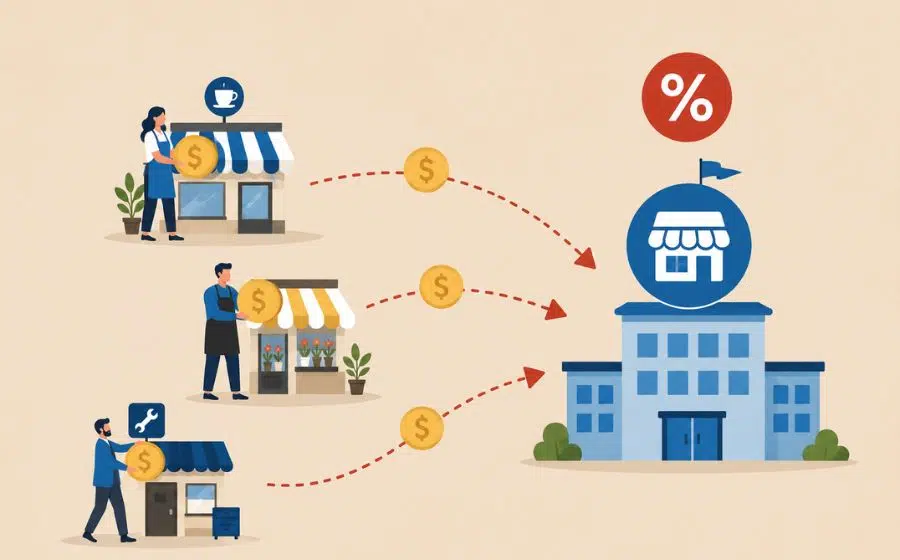
Franchise Resales Create Opportunities and Ensure Brand Health and Legacies

- The franchise business model offers a safety net for franchisees seeking to exit or retire, which independent business owners lack.
- Franchise resales provide advantages for franchisees including immediate cashflow, easier financing and built-in brand awareness.
- Franchise resales benefit franchisors by offering greater confidence for new owners, keeping locations open, and optimizing onboarding for new franchisees.
In the traditional narrative of franchising, growth is often synonymous with new territory development – planting flags in untouched markets. But what happens when owners are ready to retire or exit the business? And what about those new business owners who would love to skip starting from scratch?
A frequently overlooked arena for brand relevance is the strategic advantage of franchise resales. The International Franchise Association’s 2025 Economic Forecast estimates a 4-5% turnover rate among more than 800,000 U.S. establishments each year. Therefore, the ability to manage the life cycle of a business is becoming a primary driver of brand health.
Doing so can mean ensuring the legacy of a 40-year-old Mr Gatti’s Pizza location with a local leader. Perhaps it involves building on brand history and nostalgia involving the very first FASTSIGNS store. Ultimately, it’s about strengthening the brand’s continuity and prosperity at every step along the way – as is the goal of Neighborly’s dedicated resales team across 19 North American brands.
The Stark Reality of Small Business Exits
For many independent small business owners, the dream exit is often a mirage. In fact, a staggering number of owners struggle to find buyers when they’re ready to move on. Research shows fewer than one in three small business owners ever successfully complete the sale of their companies.
“The majority of small business owners have never sold a business, so having someone to guide them through that process can be a huge value-add,” says Brad Stevenson, chief development officer for Neighborly. This is where the franchise business model provides a safety net that independent businesses lack.
Neighborly has a massive infrastructure to specifically address exit challenges. The company employs seven dedicated resales professionals who focus on nothing else. This team includes a vice president of resales, five experienced developers managing three to four brands each, and a listing coordinator who works directly with operations teams and owners to collect data, coordinate valuations and secure SBA pre-approvals. With more than 90 years of combined franchising experience, this team ensures that exiting a business is a supported milestone rather than a burden, and that those buying those existing locations do so with enthusiasm.
Honoring Legacy at FASTSIGNS
Mark Glenn (above with wife Shawn) has extensive experience with franchise resales. He worked on the franchisor side at FASTSIGNS headquarters. Then he graduated to franchisee status to own his future on a whole new level.
Today as CEO and owner of FASTSIGNS centers in Dallas and Carrollton, Texas, he knows resales aren’t just transactions; they are opportunities to revitalize a brand’s history. Glenn currently operates the original FASTSIGNS Store No. 1, which he views as a stewardship of the brand’s entrepreneurial spark. Thanks to that fortuitous beginning, FASTSIGNS is the largest franchise brand in its category in the world. But there’s more than prestige at play.
“Buying a resale gives you a head start,” Glenn says. “You inherit customers, vendor relationships, equipment, staff and financial history from day one.” Glenn’s entire journey has been built on acquiring distressed centers and turning them into high-performing operations. At the height of this activity, he owned five centers, strategically selling two while continuing to scale three others. This structured ability to enter, improve and exit is “difficult to replicate in the traditional small business world,” he says. He and his team have turned it into a vehicle for business and brand dominance.
Preserving Community Connections with Mr Gatti’s Pizza
Don’t assume this is just for big brands in big cities.
The strategic importance of franchise resales can keep small-town community appeal alive and well, too. That’s perfectly illustrated by a couple of recent Mr Gatti’s Pizza transitions announced by the franchisor involving the acquisition of its Shepherdsville and Brandenburg, Ky., locations by experienced local entrepreneurs. These weren’t just business deals; they represented the continuation of a hometown favorite dining establishment, allowing the original owners to enter retirement after managing their beloved locations for more than 40 years.
Multi-unit franchisee Aftab Siddiqui, who purchased the Shepherdsville site (open since 1983), and Richie Chism, who acquired the Brandenburg location (open since 1984), demonstrate why resales are vital to cities and states of all sizes. By acquiring existing units, these owners can retain experienced staff while investing in modernizations such as upgraded kitchen operations and renovated game rooms.
“Aftab and Richie are exactly the kind of franchise partners we value,” says Jim Phillips, CEO of Mr Gatti’s Pizza. “They understand the importance of community, team culture and reinvesting in the business. Their commitment demonstrates strong confidence in the Mr Gatti’s system and our ability to build on a powerful legacy for years to come.”
Why Buy a Resale?
For a new franchisee, the appeal of a franchise resale is rooted in predictability. Stevenson and his team at Neighborly highlight several key benefits for those looking at existing units, including:
- Immediate Cashflow. Unlike a startup, a resale business is already operating with established revenue and expense history.
- Proven Local Presence. Buyers inherit built-in brand awareness, SEO rankings and existing customer relationships.
- Easier Financing. Lenders often have more confidence in resales because they can underwrite based on actual financial statements rather than mere projections.
Stevenson’s advice to all new candidates is to “begin with the end in mind.” Discussing exit strategies during the initial evaluation process helps ensure that franchisees aren’t just buying a job. They’re building a sellable asset.
The Strategic Value to the Franchisor
Maintaining a robust franchise resale department also provides three critical benefits to the brand:
- Unit Protection. A supported exit keeps locations open and compliant, preventing darkened storefronts that damage brand reputation.
- Owner Confidence. When franchisees see a clear path for succession, they are more likely to invest and follow standards.
- Optimized Onboarding. A structured process ensures that the incoming owner is trained and ready to maintain the momentum of the existing business.
So cheers to all the grand openings that turn into grand exits and the next generation of franchise owners who carry the brand torch forward. May they find the full value of a franchise brand rooted in the opportunity to pass it forward as part of the American dream.