
Franchise Thought Leaders Share How Responsible Franchising Builds Strong Brands
Franchising can be a powerful growth strategy — but only when it’s done responsibly. When franchisors prioritize transparency, support and long-term success over short-term sales, everyone wins. According to the International Franchise Association (IFA), franchising contributes over $825 billion to the U.S. economy and supports over 8.7 million jobs. But behind those big numbers are real people — franchisees — who depend on brands to deliver what they promise.
To help guide the way, the IFA released a Responsible Franchising report, offering a roadmap for building stronger, more sustainable franchise systems. The report encourages franchisors to set clear expectations, carefully vet candidates and prioritize support and profitability to protect both the brand and its operators. The message is simple: franchising works best when it’s built on trust, alignment and a shared commitment to success.
Franchising has the potential to transform lives, but it’s not without risks. Despite all the inspiring success stories in franchising, there’s also some sobering tales of failure — often because expectations weren’t properly set from the start. Responsible franchising begins by painting an honest picture of what ownership really looks like: the time, investment, effort and support needed to succeed. When both franchisor and franchisee enter the relationship with clarity and alignment, the chances of long-term success grow exponentially.
Consider these two scenarios. Say there’s an ice cream franchise that grows at lightning speed. It sells 100 locations in a year but skimps on vetting franchisees, offers minimal training and doesn’t provide ongoing marketing support. Soon, franchisees are confused, underperforming and closing up shop.
Now picture a smaller, more intentional brand. This franchisor takes the time to build a strong foundation — carefully selecting franchise partners who align with its values. From day one, it goes beyond the basics, offering immersive onboarding, in-person training and a dedicated support team that checks in regularly throughout the first year and beyond. It doesn’t just hand over a manual — it builds a relationship. These franchisees feel seen, heard and supported, which allows their businesses to grow with confidence and consistency.
The difference? Responsible franchising. It’s not about just selling a franchise — it’s about awarding one. It’s about seeing franchisees as long-term partners, not quick wins. We asked franchise thought leaders to share what responsible franchising means to them. Here’s what they had to say:

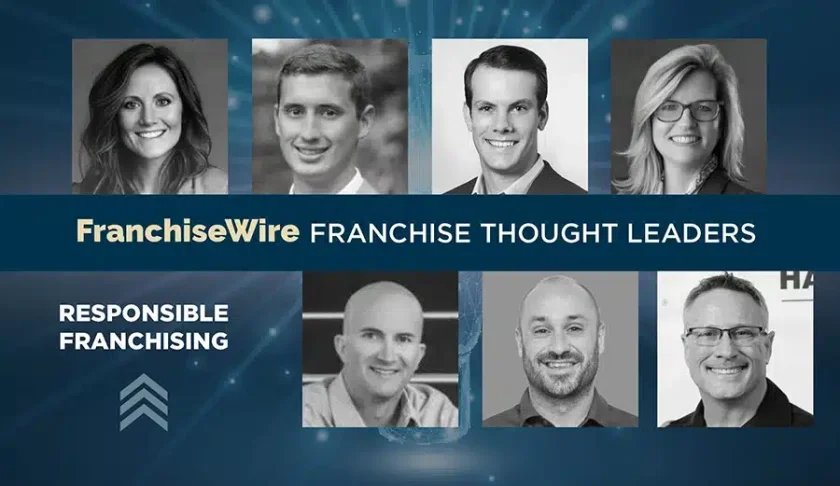
Bottom row, from left to right: Matt Lucas, Aaron Harper, Andy Bell
Tami Burdick, Freelance Business Consultant
“To me, responsible franchising is a lot like dating — it’s about getting to know your potential franchisees before committing. Awarding a franchise should never feel like just a sale; it should be a thoughtful process to ensure the candidate is the right fit in every way. That means understanding who they are, how they view their role in the partnership, their personality, financial readiness, and more. It’s a long-term relationship — like a marriage — with the franchise agreement acting as the license. Responsible franchising also means having solid onboarding, training and operational support processes. Their success drives your success and reputation. They can’t be successful without the franchisor doing the right things along with them.” — Tami Burdick
Christian Pillat, Transitiv
“Responsible franchising is built on a strong foundation with a focus on the long game. Decisions are made with the franchisees’ best interests front and center.” — Christian Pillat
Connor Chauncy, FranSite
“Responsible franchising is essential at every stage of onboarding a new franchise partner. As prospective franchisees engage with the process, they should have access to all necessary resources and historical data to make informed decisions. Franchisors and their vendors should be readily available to provide the information needed to support the successful operation of each franchise location. It all begins with transparent communication — from the initial introduction call to the grand opening.” — Connor Chauncy
Lisa Linkowsky, Milestone Franchising
“It’s important to stay connected to your ‘why’— why you started your business and why you chose to expand through franchising. Success comes from choosing the right candidates, growing steadily rather than rapidly, maintaining a strong leadership team and genuinely caring about your franchisees. That combination is always a winning formula.” — Lisa Linkowsky
Matt Lucas, The Franchising Company
“To me, responsibility in franchising means prioritizing ethical and sustainable practices across the industry. From franchisors and franchise consultants to franchisees, everyone plays a role in promoting responsible franchising. When brands embrace these practices, they build stronger, mutually beneficial relationships with their franchisees, foster long-term success and contribute to the overall growth and reputation of the franchising industry.” — Matt Lucas
Aaron Harper, Rolling Suds
“Be clear about what franchisees can expect — including the hours they’ll likely need to commit and the investment required before reaching profitability. Many candidates assume franchising is a passive endeavor, but that’s rarely true. I rarely move forward with a prospect who only plans to work part-time. Transparency from the start ensures a win-win relationship for everyone involved.” — Aaron Harper
Andy Bell, Ace Handyman Services
“Responsible franchising is about building a win-win culture where franchisors and franchisees work together toward shared success. It means growing the franchise network strategically — ensuring new locations complement rather than compete with existing ones — and providing franchisees with the support they need to thrive. With clear communication, smart decision-making and the right tools, you can drive long-term success while strengthening the core brand.” — Andy Bell