

International Franchise Association Pushes Back on Claims; Urges Focus on IFA’s 2024 Policy Recommendations
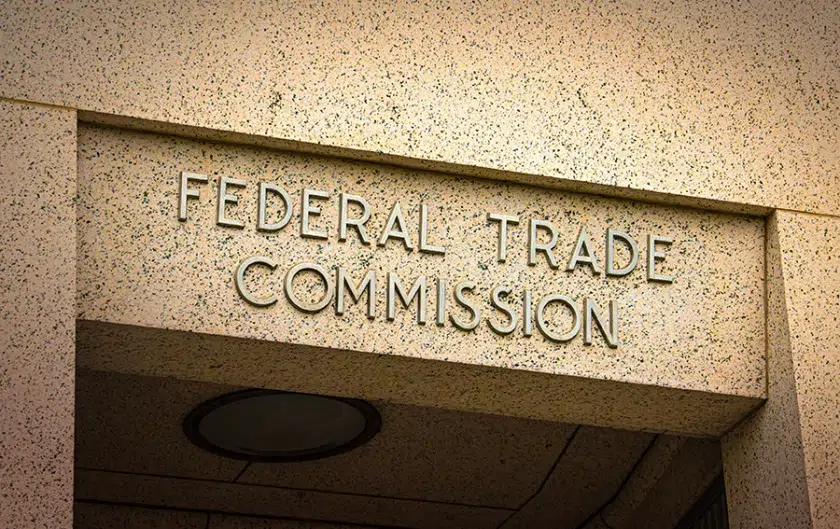
The Federal Trade Commission on Friday issued a statement emphasizing that franchisors break the law if their contracts contain non-disparagement clauses stifling franchisees’ communications with the federal government. Also in that FTC statement, the agency warned franchisors against hitting franchisees with undisclosed junk fees.
Franchising’s leading trade group, the International Franchise Association, immediately criticized the FTC’s actions as “contrary to the reality that the vast majority (of) franchise relationships are working and that franchising continues to grow each year,” Reuters reported.
Restaurant Business quoted Matt Haller, president and CEO of the IFA, as saying, “IFA encourages the FTC to focus on improving the franchise rule by adopting IFA’s 2024 policy recommendations, which seek to empower prospective franchisees with the best information possible to make an informed decision before buying a franchise, and clarify both parties’ obligations as part of a franchise agreement.”
FTC Seeks More Comments
The FTC’s Friday communique won’t be its final word on franchisor practices. To continue receiving communications about these issues, FTC staff members have reopened last year’s request for information about franchise agreements and franchisor practices. Those comments may be submitted at regulations.gov until Oct. 10. Reuters reported that the FTC, citing a 2023 analysis by the U.S. Government Accountability Office, had noted a marked rise in franchise-related complaints during the last three years.
Congress created the FTC in 1914 to protect consumers and promote competition within the U.S. economy. The FTC statement stressed that reports from franchisees and voluntary interviews are crucial to the agency’s investigations and ability to carry out that mission. If business owners can’t freely communicate with the agency, the commission can’t protect them, the FTC said in its statement.
Junk Fee Warning
In the same communique on Friday, the FTC released new guidance about junk fees that some franchisors have levied. The agency underscored that franchisors are breaking the law if they “impose and collect fees from franchisees that were not previously disclosed.”
That warning resulted from franchisees’ reports that increasing fees for processing payments and rising fees for technology “make it difficult to make a living,” the FTC said. Franchisees also told the agency that franchisors were imposing surprise fees that pertained to training, marketing and property improvement, for example.
Franchisees’ Concerns Aired
On Friday, FTC staff members also released an Issue Spotlight relating to the franchise business model. The Spotlight outlines franchisees’ key concerns after the agency requested information from them last year. The FTC said more than 2,000 stakeholders supplied comments.
Included in those comments were complaints from McDonald’s franchisees, Reuters said. The National Owners Association, which is composed of hundreds of McDonald’s franchisees, complained to the FTC that “the current climate is dictatorial and there is zero room for negotiation” with corporate headquarters. The burger chain unilaterally imposes new costs on franchise owners by making changes to the McDonald’s operating manual, then uses non-disparagement clauses to silence critics,” the franchisee association said. Asked for comment, McDonald’s referred Reuters to the International Franchise Association’s statement.
In another report on the FTC communique, Restaurant Business said the agency referenced a Dickey’s operator’s complaint that the franchisor said costs to open a location would run $400,000. “It will cost sometimes double that, but you don’t know until you are already heavily invested,” the franchisee said.
Franchisee advocates cheered the announcement, according to Restaurant Business. “Franchising is a great business model with many great brands, but unfortunately, due to the historical lack of oversight and enforcement, it is a business model that can be abused by bad actors,” Keith Miller, a Subway franchisee and franchise advocate, said in a statement.
What Commissioners Said
The agency’s communique quoted FTC Chair Lina Khan as stating: “Franchising is a chance for Americans to build a business, but the FTC has heard concerns about how unfair franchisor practices, like a failure to fully disclose fees upfront, go unreported thanks to a fear of retaliation. Today, the commission is making clear that contractual terms prohibiting franchisees from reporting potential law violations to the government are unfair, unenforceable, and illegal.”
The FTC’s decision to adopt its Friday policy statement was made in a 3-2 vote. In her dissent, Commissioner Melissa Holyoak criticized the FTC policy statement because it “does not explain what franchisors looking to stay on the right side of the law should do,” Franchise Times reported.
FTC’s Resources on Franchising
Also contained in the Issue Spotlight is a staff analysis of Small Business Administration loan default data. It points to higher risks for investment in certain franchisors and tied specific complaints to certain franchises, mentioning Dickey’s and Subway, among other brands.
Various informational resources relating to franchising can be found via the FTC’s new Franchise Guidance website. It contains a link to Issue Spotlight, the FTC’s Friday policy statement, and other agency actions affecting franchisors and franchisees.


