A Look at 5 Fast Food Brands Over the Years
Fast food is one of the most popular and competitive industries out there. With roughly 749,000 restaurants in the U.S., fast food, or quick-service restaurant (QSR) franchises must evolve to differentiate themselves by revamping their menus, branding and store design over time. The McDonald’s or Wendy’s location you visited as a kid is most likely unrecognizable today. Mobile ordering, conveyor belt delivery systems and self-service kiosks are the norms today as technology shapes the industry’s future.
While innovation is wonderful, there’s nothing like a sweet dose of nostalgia to elicit memories of happy times. Let’s take a trip down memory lane to see how five fast food giants have changed over the years.
1. Burger King

Then: Burger King was founded by Keith Kramer and Matthew Burns in the 1950s in Jacksonville, Fla. The brand’s signature menu item, the Whopper, was introduced in 1957, and could be enjoyed for a whopping 37 cents. The brand found success with stand-alone restaurant locations while roadside stands popped up around the country in the 1980s.

Now: Today, Burger King has about 18,000 locations worldwide and is an established leader in plant-based fast food with the introduction of the Impossible Whopper. To promote its dedication to freshness, the QSR brand released an infamous commercial showing a Whopper decomposing over time. In addition to reimagining its 1974 “Have It Your Way” jingle, Burger King recently rolled out its new Sizzle concept with modernized amenities including streamlined drive-through and pick up lanes, as well as digital ordering kiosks.
2. McDonald’s
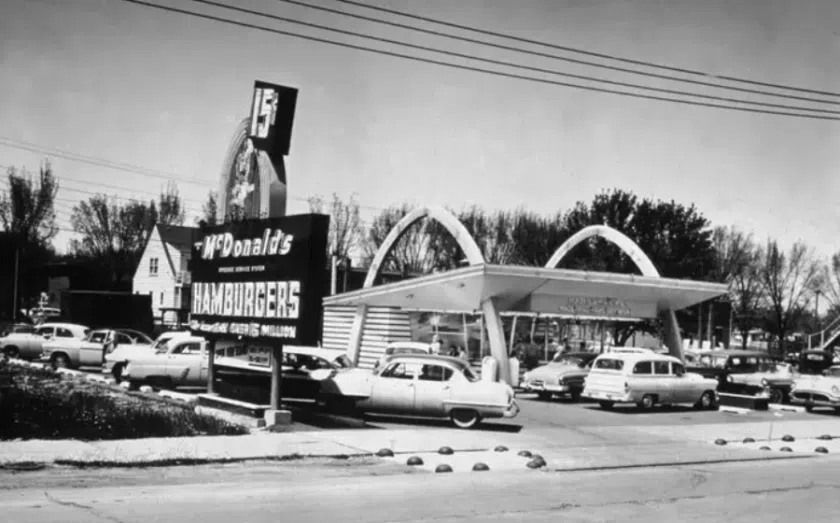
Then: The storied history of the Golden Arches goes back to the 1940s when the McDonald brothers began selling burgers. It wasn’t until Ray Kroc got involved that the hamburger joint took off and opened its first franchise location on April 15, 1955, in Des Plaines, Ill. McDonald’s initially sold only nine items: hamburgers, cheeseburgers, French fries, milkshakes, milk, root beer, orangeade, Coca Cola, and coffee. The fast food brand’s mascot was Speedee, a chef with a burger for a head, before Ronald McDonald made his debut in 1963. The physical Golden Arches, resembling a giant “M” extending atop flat-roofed buildings, were gradually phased out, but have remained part of McDonald’s iconic branding.
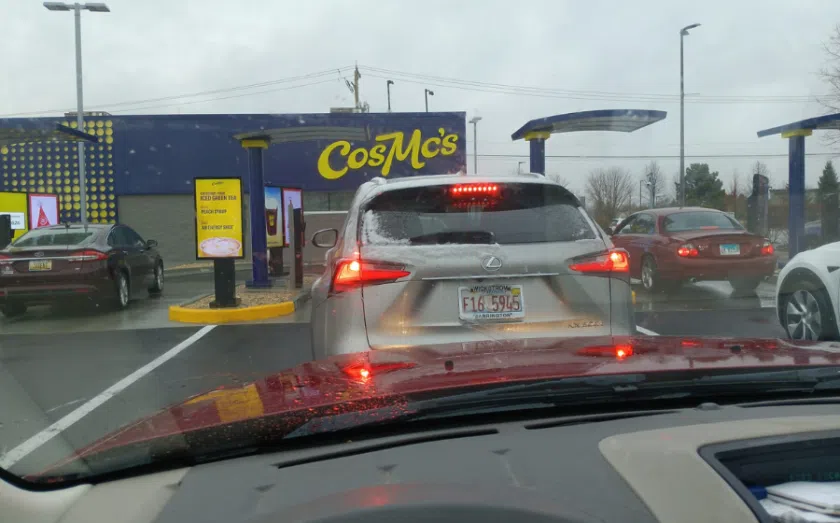
Now: McDonald’s has grown to become the largest and most valuable fast food restaurant in the world, serving millions of people daily. The fast-food giant’s menu boasts more than 170 menu items served at various locations globally. Technology is at the heart of everything McDonald’s does; kiosks can be seen at most locations to make ordering quicker and more efficient. The Golden Arches has even entered the metaverse and made a major move into drive-through-only restaurants with its new CosMc’s concept. Named after the popular McDonald’s character, CosMc’s looks to attract younger customers who enjoy specialty drinks on the go. The new restaurant design (2,500 square feet) allows for three times as many visits per square foot than a typical McDonald’s restaurant (4,000 to 4,500 square feet), CNN reports. The sky seems to be the limit for the Golden Arches’ growth.
3. Popeyes

Then: Popeyes made its debut as Chicken on the Run in 1972 in Arabi, La. The restaurant originally served traditional Southern-fried chicken but switched to spicy, New Orleans-style chicken due to lackluster sales. In 1983, Popeyes began selling buttermilk biscuits and had a menu that mainly focused on fried chicken and seafood.

Now: Popeyes took the world and social media by storm with the release of its chicken sandwich in 2019. The fast food brand also made waves by partnering with rapper Megan Thee Stallion and releasing the limited-edition Hottie sauce. The chicken franchise’s growth has reflected its dedication to innovation and customer service.
4. Taco Bell
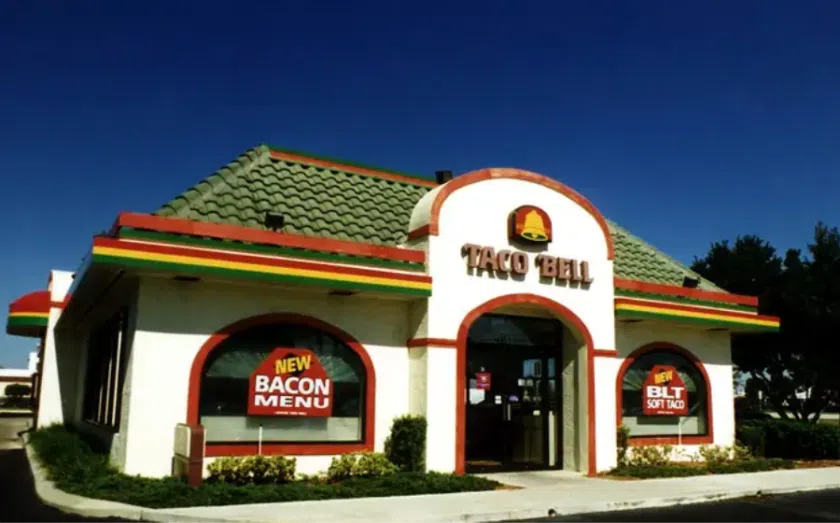
Then: The history of Taco Bell goes back to 1962 when Glen Bell opened the brand’s first location in Downey, Calif., the same site as the oldest McDonald’s in the country. Bell, who owned a hot dog stand in San Bernardino, Calif., was inspired by the popular hard-shelled tacos served at a Mexican café across the street, so he created his own version. Taco Bell originally sold only five menu items, but the brand got creative in its first few decades, offering innovative products such as Taco Salad and Taco BellGrande, and pioneering fast food marketing promotions linked to movie blockbusters. Its “Batman” promotion placed the fast food brand in the spotlight, and its famous Chihuahua mascot got everyone saying “Yo quiero Taco Bell.”
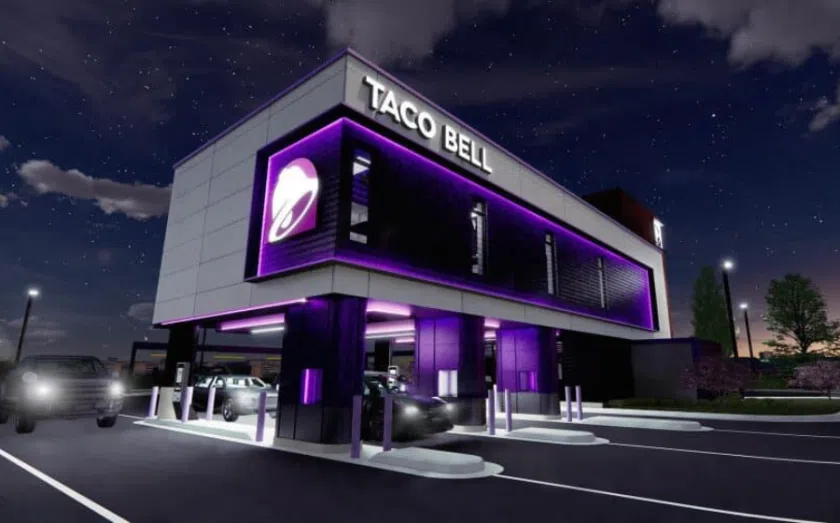
Now: Taco Bell’s remarkable evolution now includes upscale dining at its new Cantina restaurants, which also serve alcohol. Taco Bell also transformed the mobile ordering experience with its Defy concept. The brand’s breakfast menu marketing campaign has also proven to be successful.
5. Wendy’s
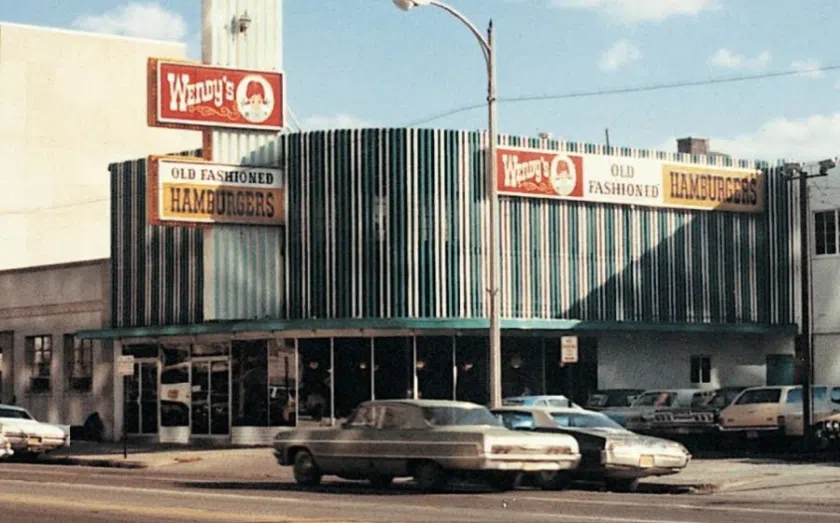
Then: Wendy’s, the internationally recognized fast food giant, was established by Dave Thomas in 1969. In addition to pioneering the first drive-through window a year later, the brand is known for selling square patties with corners that stick out of the circular bun. Thomas’ daughter, Melinda “Wendy” Lou, took the country by storm as the brand’s mascot. And who doesn’t remember the classic “Where’s the Beef?” commercial.
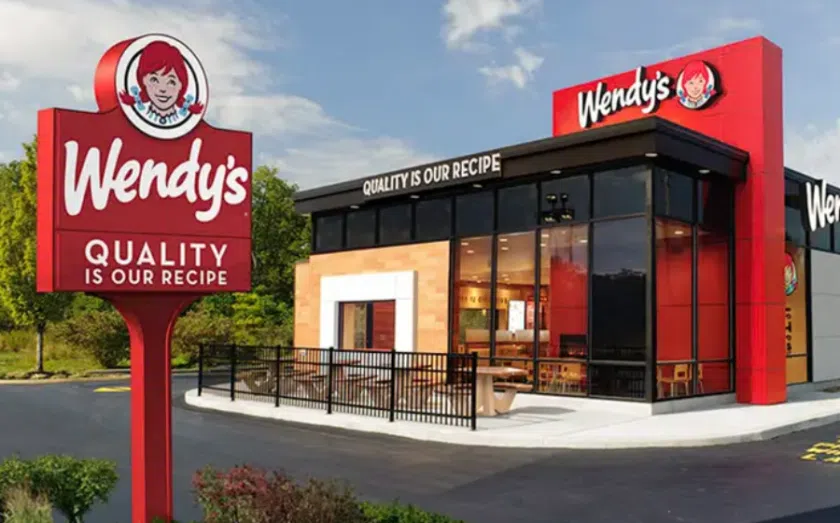
Now: In recent years, Wendy’s underwent a brand transformation, redesigning its restaurants, innovating its menu and improving its campaigns. In 2017, the brand announced that it would invest $30 million in improving the quality of its chicken. Spicy chicken nuggets are now a fan-favorite menu item. The fast food giant also has put technology at the heart of the business, with innovations including the use of artificial intelligence (AI) to speed up ordering.